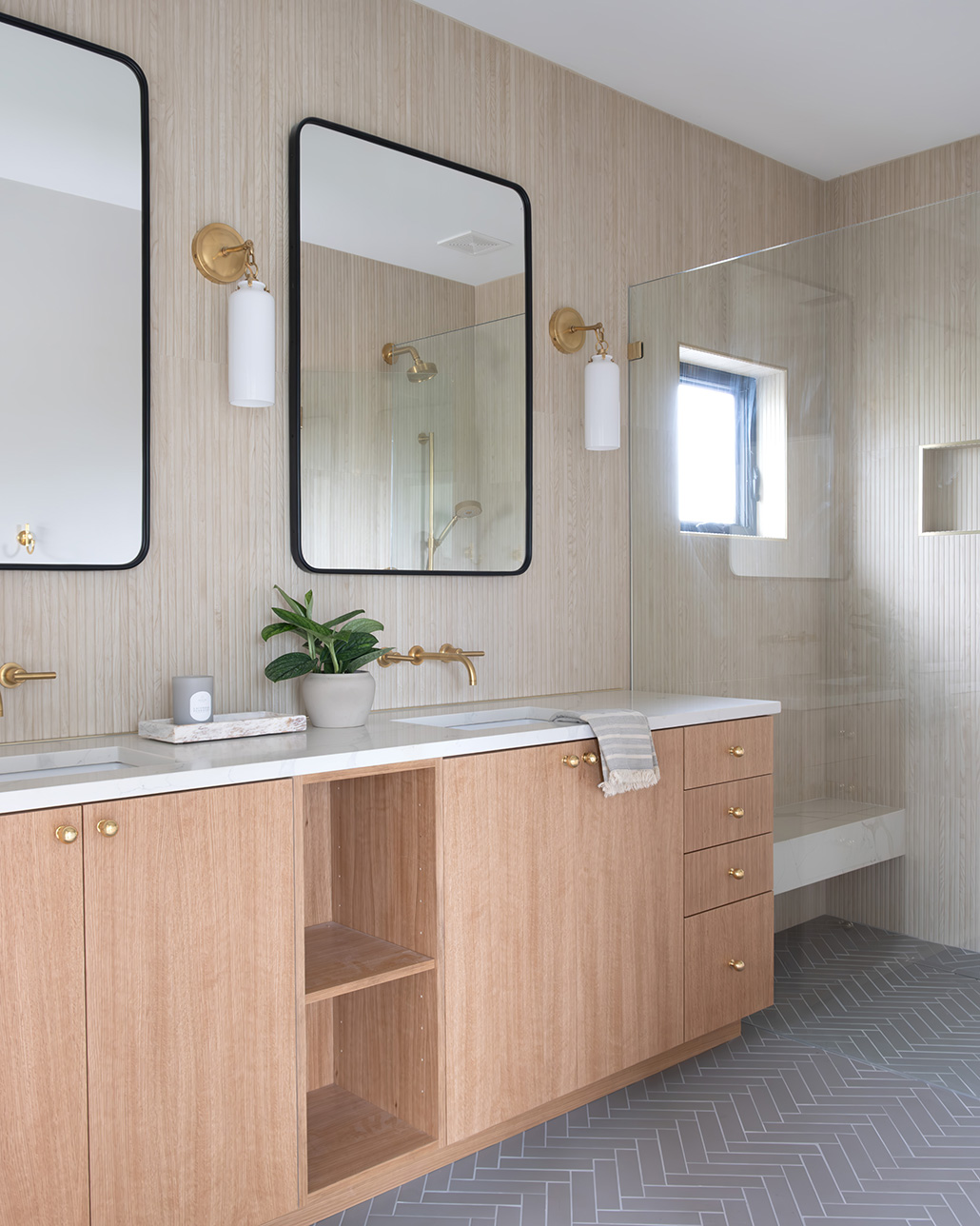
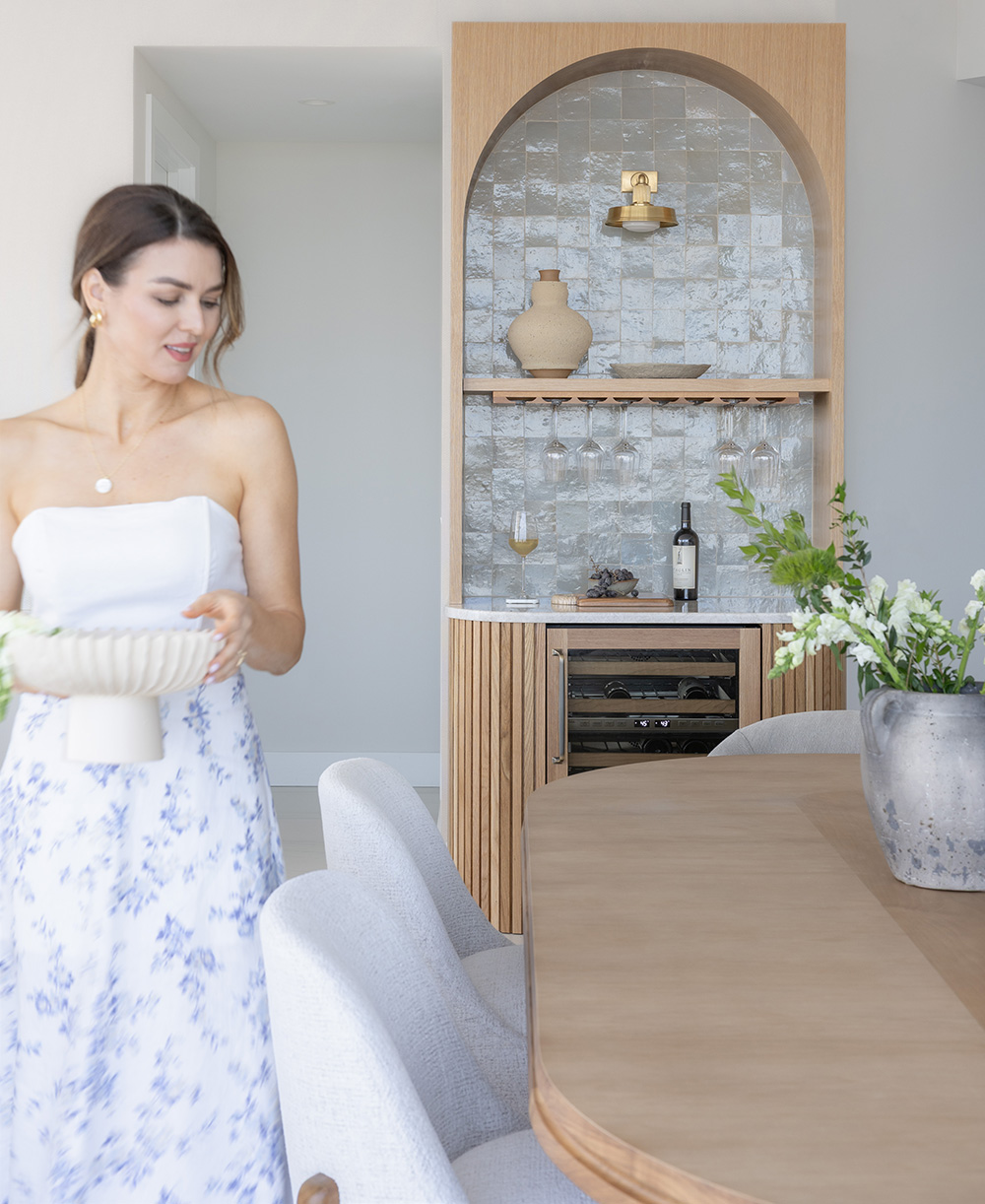
The fascinating relationship between neuroscience, our surroundings, and how we feel at home.
We put so much thought into how our homes look. We consider colors, furniture, finishes, and whether everything works together aesthetically.
But I think there’s a much more interesting question:
Have you ever walked into a room and immediately felt yourself relax, without quite knowing why? Or entered a beautiful space that somehow felt cold, uncomfortable, or overwhelming?
These responses aren’t necessarily random. Our brains and bodies are constantly interpreting information from our surroundings, often without our conscious awareness.
How does it actually feel to live there?
The light coming through a window. The texture of a surface beneath our fingertips. The proportions of a room. The sounds around us. Whether we can see outside, find privacy, or move comfortably through a space.
All of these contribute to our experience of an environment.
And an emerging field called neuroaesthetics is helping us understand why.
Your Brain Is Experiencing Your Home, Even When You’re Not Thinking About It
Neuroaesthetics explores how aesthetic experiences, including art, architecture, and design, interact with the brain and nervous system.
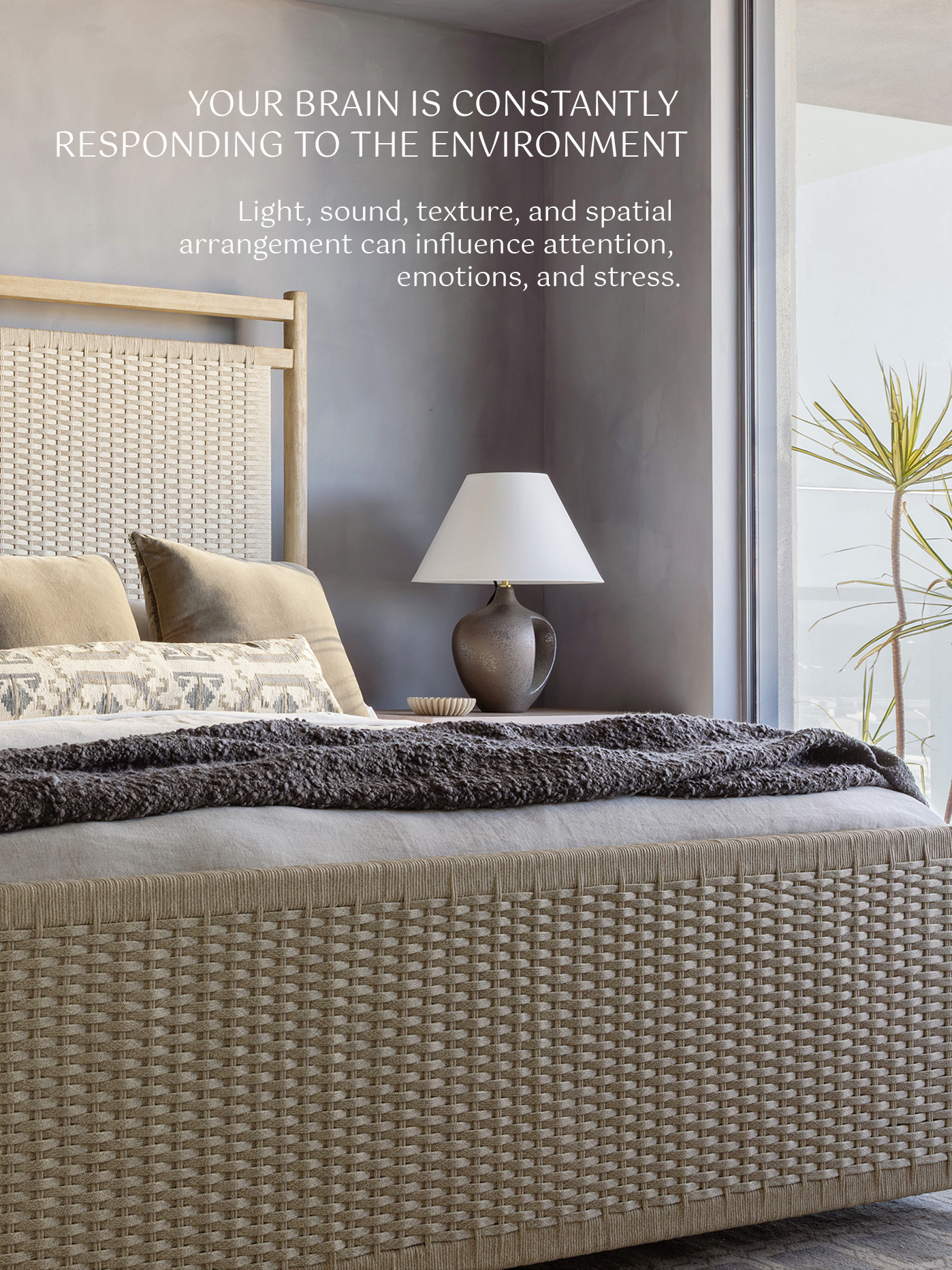
Alongside environmental psychology, it offers a fascinating perspective on something we often overlook: our surroundings can influence our attention, emotions, behavior, and physiological state.
Neuroaesthetics researcher Saskia Wheeler writes about the importance of designing for the body, not just the eye. Her work considers how light, sound, materials, and other sensory experiences affect the way we inhabit spaces.
In other words, a room isn’t simply something we look at. It’s something we experience through our entire sensory system.
Think about the difference between a brightly lit room filled with hard, reflective surfaces and a room with warm natural light, tactile materials, comfortable acoustics, and a view of greenery.
Even if both rooms are beautifully designed, they may create very different experiences.
This is where interior design becomes especially interesting to me.
Why Our Brains Are Drawn to Patterns in Nature
Here’s something I find fascinating.
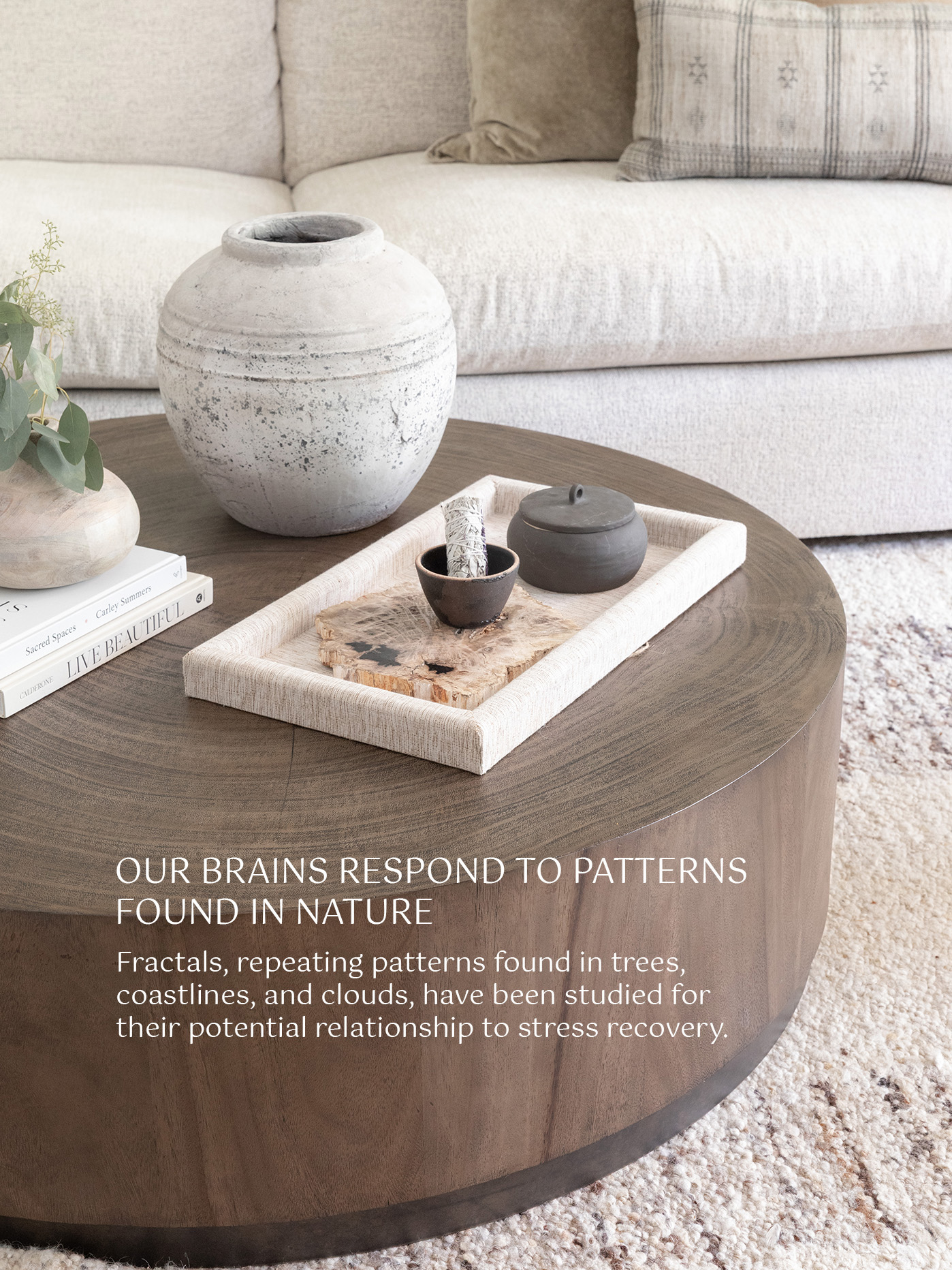
Nature is full of patterns called fractals.
You’ll find them in the branching structure of trees, the veins of leaves, the edges of coastlines, and the shapes of clouds.
Fractals are patterns that repeat similar structures at different scales. Look closely at the branches of a tree, and you’ll notice how smaller branches echo the structure of larger ones.
Researchers have studied how our visual systems respond to these patterns.
Some studies have found that viewing certain naturalistic fractals is associated with changes in alpha brainwave activity, a pattern often linked with relaxed wakefulness.
Other research suggests that fractal patterns with moderate visual complexity may support physiological stress recovery.
What’s interesting is that our visual environment doesn’t have to be completely minimal to feel restorative. Certain forms of complexity can be engaging without becoming overwhelming.
This helps explain my attraction to organic forms, natural grain, textured stone, woven fibers, and materials that contain subtle variations.
A piece of natural wood isn’t visually uniform. Its grain contains movement, irregularity, and repetition. Stone has veining, depth, and variation. Handwoven textiles have texture and rhythm.
These qualities bring some of nature’s visual richness into our homes.
That doesn’t mean every wood grain or stone surface has a scientifically proven calming effect. But understanding how people respond to natural patterns gives us another reason to consider the visual character of the materials we choose.
Perhaps what feels effortless and beautiful in nature has something to teach us about creating spaces that feel good to inhabit.
Natural Materials: What Happens When We Touch Them?
Our experience of a home goes far beyond what we see.
Consider something as ordinary as running your hand across a wooden table.
In a 2017 study, researchers in Japan measured brain activity and autonomic nervous system responses while participants touched different materials.
When participants touched uncoated white oak, researchers observed changes associated with greater physiological relaxation compared with several other surfaces, including marble and stainless steel.
Another study compared different finishes applied to the same type of wood. Uncoated wood produced more favorable relaxation-related responses than certain highly finished surfaces.
Think about that for a moment.
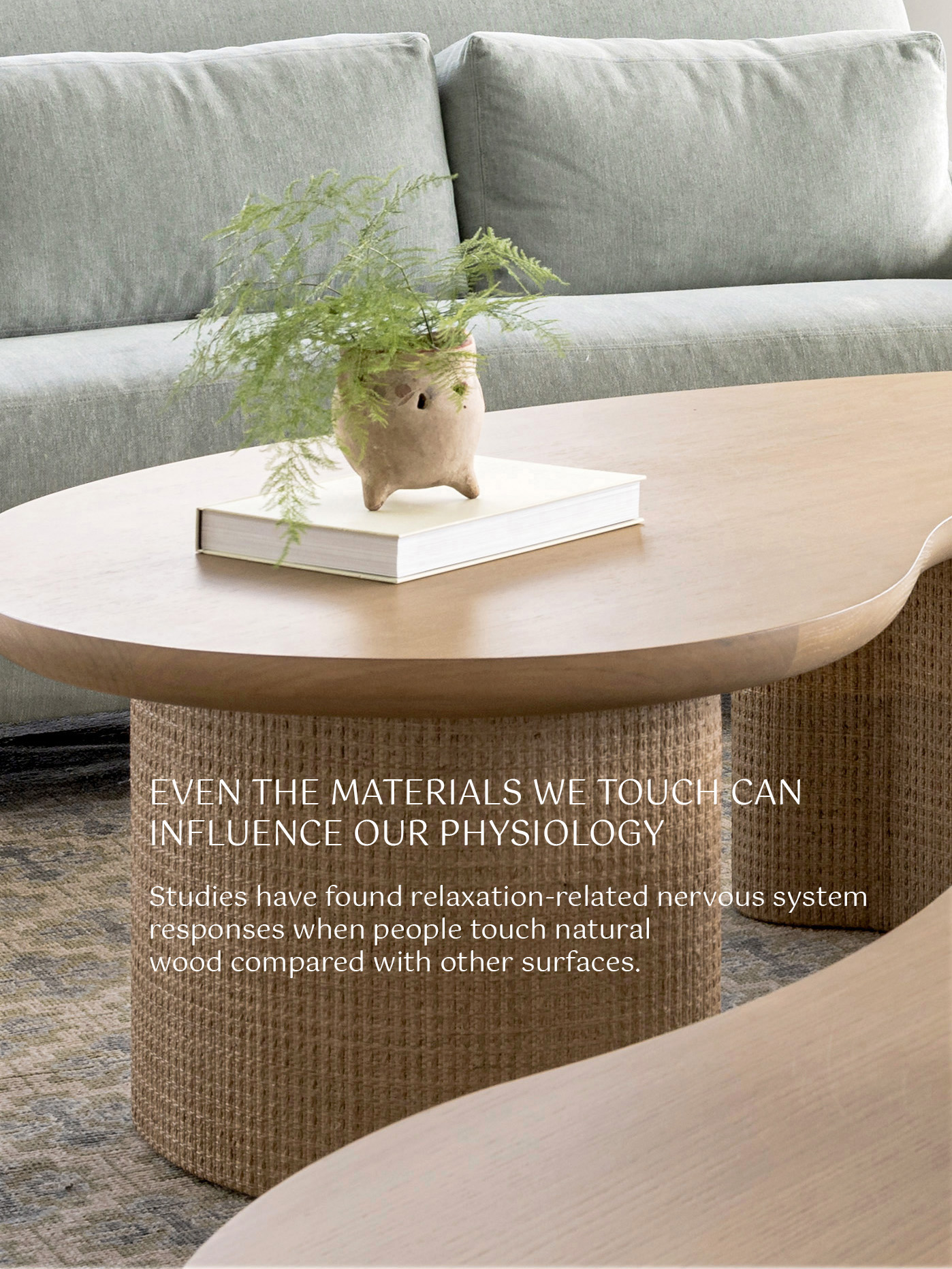
The finish of a material may influence our physiological experience of touching it, even when the underlying material is the same.
This is especially interesting in a world filled with synthetic finishes and surfaces designed to imitate natural materials.
A plastic laminate might reproduce the appearance of wood, but appearance is only one part of our interaction with a surface. Temperature, texture, friction, and tactile variation also contribute to the experience.
The research doesn’t establish that all plastics negatively affect our brains, or that natural materials are universally better. But it does suggest that material authenticity and tactile qualities deserve consideration beyond appearance alone.
At Astral House, we gravitate toward natural wood, stone, linen, wool, and handcrafted materials not simply because they’re beautiful.
We value their texture, character, variation, and the sensory experience they bring to everyday life.
There is something meaningful about interacting with materials that reveal their origins rather than only imitating the appearance of something else.
Why a Beautiful Home Can Still Feel Uncomfortable
Beauty alone doesn’t guarantee comfort.
A room can photograph beautifully and still leave someone feeling exposed, overstimulated, or disconnected.
Think about an expansive living room with nowhere to retreat. A bedroom with excessive artificial light. An open floor plan where sound travels everywhere. Or a perfectly styled home that offers little sense of the people who live there.
Environmental psychology explores how factors such as privacy, spatial organization, sensory stimulation, and perceived control contribute to our experience of a place.
One concept I find particularly interesting is prospect and refuge.
We often appreciate environments that allow us to see what’s happening around us while also offering a sense of protection.
It’s part of why a thoughtfully positioned chair overlooking a garden can feel so inviting, or why a cozy reading corner within a larger room can become someone’s favorite place.
We’re balancing openness with intimacy.
Connection with retreat.
Stimulation with restoration.
The right balance isn’t identical for everyone.
And that’s precisely why understanding the people who will inhabit a home matters so much.
Designing for the Way You Want to Feel
Before founding Astral House, I trained through Duke Integrative Medicine in mindfulness and integrative health coaching.
I spent years thinking about attention, awareness, connection, and well-being. How we experience the present moment, how we respond to our surroundings, and what helps us feel grounded.
Today, as an interior designer, I find myself asking many of those same questions about the environments we create around ourselves.
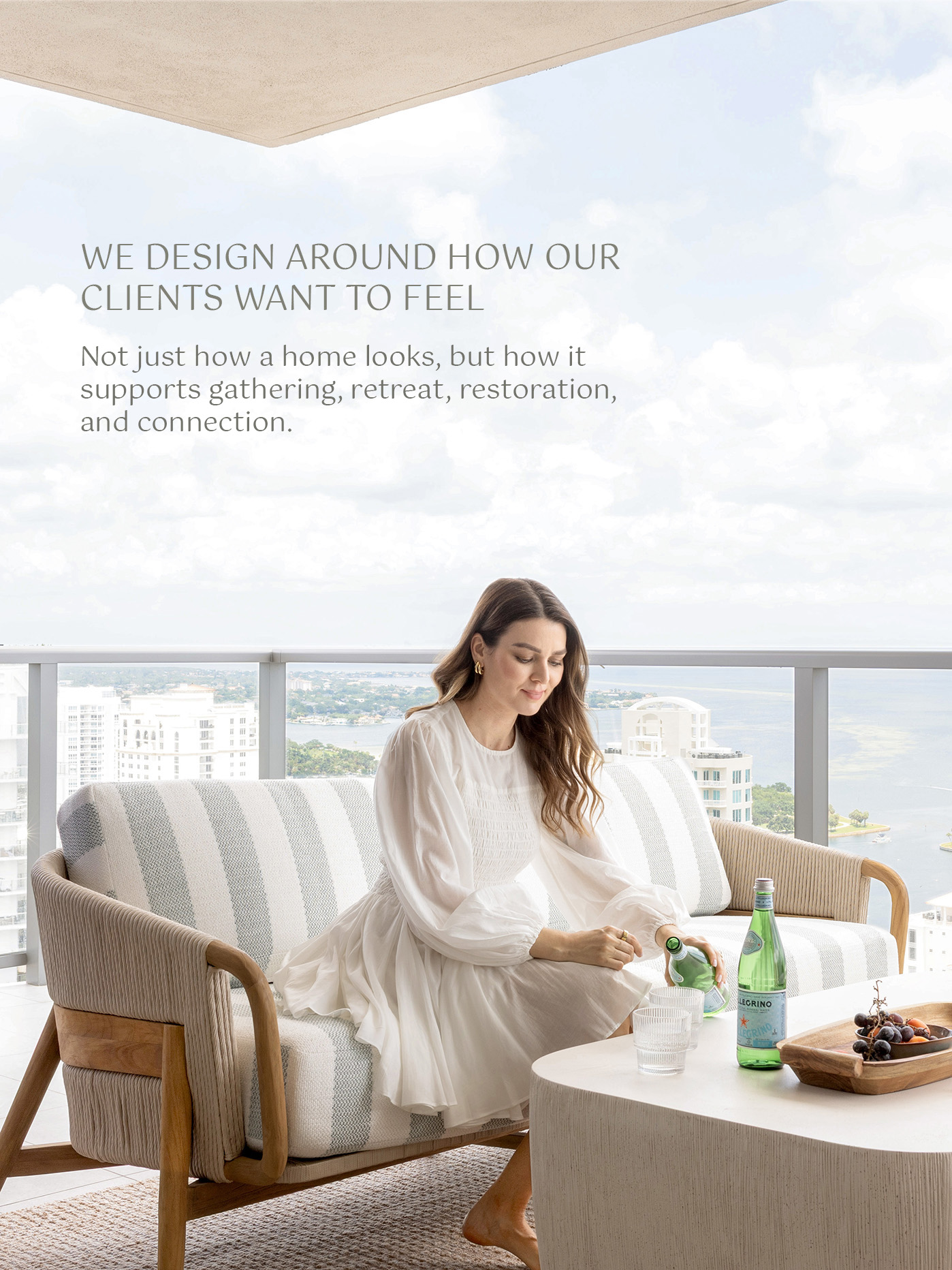
How do you want to feel when you arrive home?
Where do you naturally gather with the people you love?
Where do you go when you need quiet?
What makes you feel inspired, comfortable, protected, or connected?
What materials, memories, and experiences feel meaningful to you?
These aren’t questions that can be answered by selecting a design style.
They’re questions about the relationship between people and the places they inhabit.
At Astral House, this perspective informs how we approach everything from space planning and material selection to lighting, furniture placement, and the balance between openness and privacy.
We consider how a home functions, of course. But we also consider its atmosphere, sensory qualities, and the everyday experiences it makes possible.
Sometimes that means bringing more natural light into a space. Sometimes it means creating a sense of enclosure. Introducing tactile materials. Reducing visual clutter. Or finding ways to strengthen the connection between indoors and outdoors.
And sometimes it means incorporating something deeply personal that has no universal scientific explanation, but makes someone feel unmistakably at home.
Because our experiences are shaped not only by our biology, but also by our memories, associations, and individual preferences.
A Different Way to Think About Beautiful Design
I don’t believe we need to turn our homes into scientific experiments.
And I certainly don’t believe there’s one formula for a home that makes everyone feel good.
Neuroaesthetics is still an evolving field, and the research offers insights rather than universal rules for design.
But it invites us to ask better questions.
Instead of focusing exclusively on how a space looks, we can begin to consider what it’s asking of our attention, how it engages our senses, and whether it supports the way we want to live.
A home should be beautiful. It should function exceptionally well. It should reflect the people who live there.
But I believe we can go further.
Because your home isn’t just the backdrop to your life. It participates in how you experience it.
And to me, that’s one of the most fascinating things about design.
Orshi Wren
Founder & Lead Designer, Astral House Interior Design in St. Petersburg, FL